Carlo Günther · 8 October 2026
How Platform Features Are Transforming Inventory Tracking in Pharmaceutical Distribution Channels
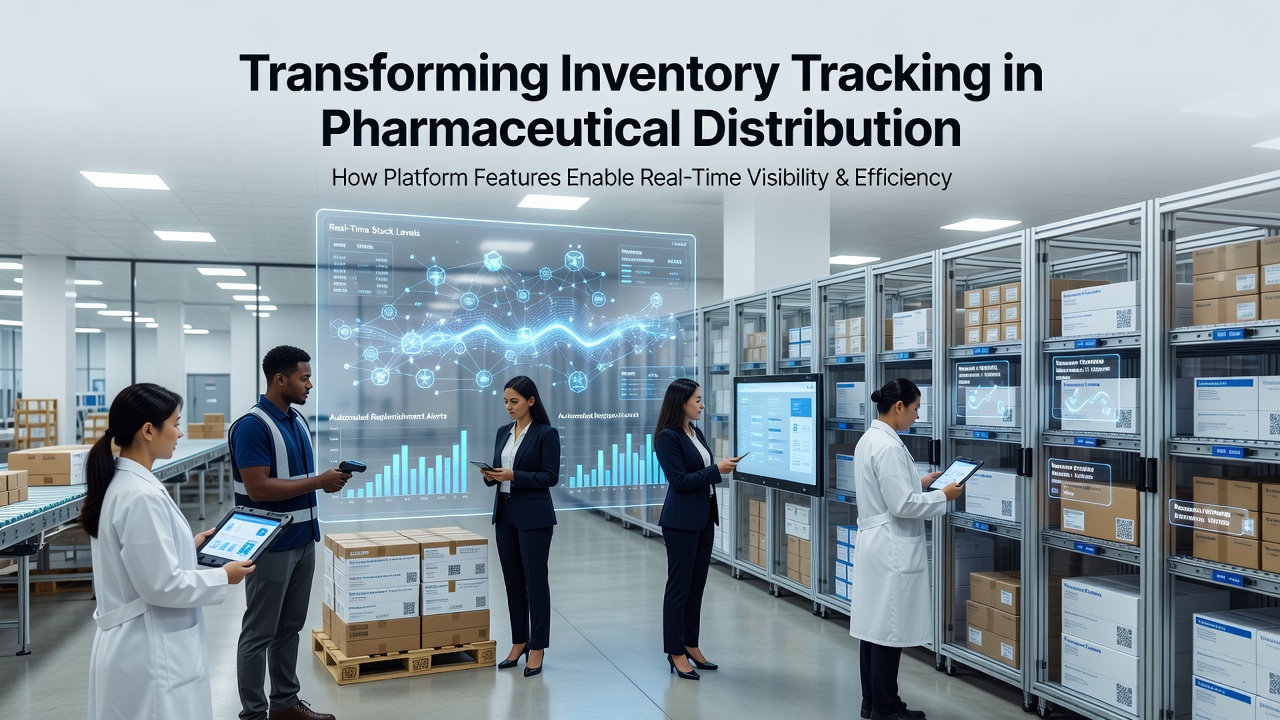
Platform features have reshaped how pharmaceutical distributors monitor stock levels across complex networks that span manufacturers, wholesalers, and healthcare facilities, and these changes accelerated noticeably by October 2026 as integrated software became standard in global operations. Data from multiple regulatory bodies shows that real-time visibility tools now connect disparate systems so that inventory discrepancies drop significantly while compliance with serialization requirements improves.
Core Platform Capabilities Driving Change
Modern platforms incorporate automated data capture through barcode scanning and RFID integration which allows distributors to update stock records the moment products move between locations, and this seamless flow reduces manual entry errors that once plagued paper-based processes. Researchers at academic institutions have documented how these features create a continuous audit trail that meets teh demands of laws such as the United States Drug Supply Chain Security Act, while similar frameworks in other regions require comparable electronic tracking.
Cloud-based dashboards present live metrics on temperature-sensitive shipments and expiration dates, enabling teams to intervene before spoilage occurs, and studies indicate that predictive alerts cut waste rates by measurable percentages across large distribution centers. Observers note that such interfaces also support multi-tier visibility so that a wholesaler in one country can view upstream manufacturer data without switching between separate portals.
Integration with Emerging Technologies
Internet of Things sensors embedded in shipping containers feed environmental data directly into platform databases, and this constant stream lets distributors verify cold-chain integrity from factory to pharmacy, whereas earlier methods relied on periodic checks that left gaps in accountability. Figures from industry reports reveal that IoT-linked platforms have expanded adoption in both North American and European networks since 2024, with similar growth patterns appearing in Asia-Pacific markets.

Blockchain modules add immutable records of each transaction which helps combat counterfeit infiltration, and several pilot programs coordinated through international health organizations have demonstrated how these ledgers verify product provenance faster than traditional documentation. One study from a Canadian research group found that blockchain-augmented platforms shortened verification times from days to minutes during cross-border transfers, while maintaining full alignment with Health Canada guidelines.
Regulatory Alignment and Compliance Tools
Platform developers now embed automated reporting functions that generate required submissions for bodies such as the European Medicines Agency, and these features ensure distributors stay current with evolving serialization mandates without manual compilation of spreadsheets. Data compiled by the World Health Organization highlights how digital compliance layers have supported more consistent enforcement across member states, reducing instances of non-conforming shipments that previously triggered recalls.
Advanced search and filtering options allow quality assurance teams to isolate specific lots during investigations, and this capability proves especially useful when authorities issue urgent alerts about potential contamination. Experts have observed that such targeted retrieval functions limit the scope of recalls, preserving larger portions of inventory while protecting patient safety.
Operational Impacts Across Distribution Networks
Inventory optimization algorithms within these platforms analyze historical demand patterns alongside current prescription trends, and distributors using them report fewer stockouts during peak seasons such as flu vaccine rollouts. Australian regulatory updates from the Therapeutic Goods Administration have encouraged similar platform adoption among regional wholesalers who must now demonstrate electronic pedigree records for every unit.
Training modules built into the software help staff navigate new interfaces quickly, and case examples show that facilities implementing these tools experienced shorter onboarding periods compared with legacy systems. The result appears in smoother handoffs between shifts and across partner organizations that share access permissions.
Conclusion
Platform features continue to redefine inventory tracking in pharmaceutical distribution by linking real-time data, regulatory requirements, and predictive analytics into unified workflows, and ongoing developments through late 2026 suggest further refinements in sensor accuracy and cross-border data sharing standards. These advancements rest on documented improvements in traceability and reduced waste, supported by evidence from multiple government agencies and research institutions worldwide.